Your cart is currently empty!
Items to Stop Buying to Save Money and Curb Clutter
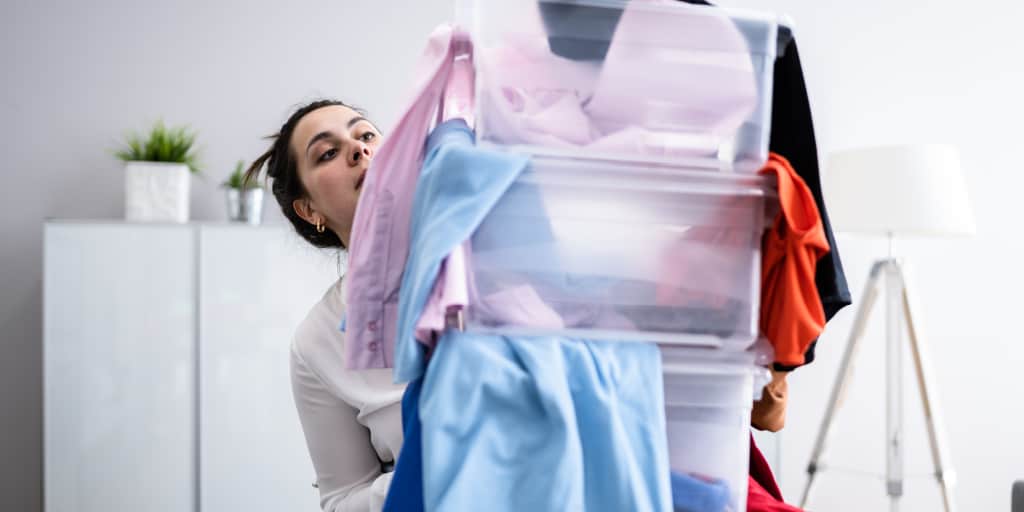
We live in a world filled with alluring advertisements and seemingly indispensable products. So, it’s no wonder we sometimes buy things we don’t need and regret it later. In a survey on buyer’s remorse, Americans attributed online shopping regrets to persuasive advertising and irresistible low… Items to Stop Buying to Save Money and Curb Clutter as published on Women Who Money We live in a world filled with alluring advertisements and seemingly indispensable products. So, it’s no wonder we sometimes buy things we don’t need and regret it later. In a survey on buyer’s remorse, Americans attributed online shopping regrets to persuasive advertising and irresistible low prices. Plus, most kept their regretted purchases at home – but out of sight. We all do it. We buy things that sound and look appealing, even useful, only to have them sit and gather dust until they eventually find their way to the landfill. You know the items we’re talking about – those forgotten objects stuffed in the deepest corners of your closets and cabinets. Of course, it’s best to avoid purchasing these things in the first place. But how do you know which items to stop buying? This article reveals common culprits that can cost you money and clutter your living space. We also include questions and tips to help you evaluate your purchases. So, read on if you’re ready to save time, money, and space! Items to stop buying to save money and curb clutter Extra items on sale Whether it’s BOGO, free shipping, clearance, or “free” offers, sales promotions aim to get you to buy! Yet, even if it seems like an irresistible deal, it still costs you when you don’t need it. So you spend money needlessly but also must store the item – even if you never use it. Asking why you would buy a sale item is crucial. Of course, it might make sense if you need, want, and actually use it. But be honest about your motivations, consider its place in your home, and ask if you’re really saving money. Related: Is Joining a Warehouse Club Worth the Money Single-purpose appliances and kitchen gadgets Small appliances and kitchen gadgets are plentiful at thrift stores and yard sales. And there’s a reason for that. Many have limited functionality, are of low quality, and get used sparingly, if at all. Consider items like egg slicers, quesadilla makers, cupcake makers, and pizza cookers. The tasks they perform can usually be accomplished in other ways. So, before buying these items, ask yourself a few questions. How often will you (honestly) use the specialized gadget? Is there another way to do the same task without it? Where and how will you store it? Holiday decorations The average American spends over $200 on winter holiday decorations alone. And when you factor in other seasons and holidays, the costs quickly add up! This decor is often bulky, cheaply made, plastic, and trendy. And it only gets used a few weeks each year, if you use it at all. That’s not to mention that it takes up tons of space and often ends up in the trash. In other words, cutting back on seasonal decor is a practical way to save money and reduce clutter. Related: Holiday Shopping Tips To Prevent Post Holiday Clutter How Do I Save Money and Have a Happy Halloween? What is the Best Way to Budget for the Holidays? Trendy clothing & shoes People spend billions of dollars yearly on new clothes and shoes to keep up with fashion trends. But keeping pace with trends can lead to impulse buys and a stockpile of low-quality items. Plus, as trends change (and they do so quickly), unworn items sit in closets taking up space. Instead, focus on buying timeless, high-quality clothing and shoes rather than the latest trends. Also, consider buying secondhand or attending clothing swaps to combat spending and a cluttered closet. Outdoor & recreational items Outdoor items are used seasonally and often get left outside to weather. Plastic furniture, camping gear, pool toys, grills and smokers, and sporting equipment take up space and often get thrown away. That doesn’t necessarily mean you shouldn’t buy and use these items.
Leave a Reply